
Table of Contents
Introduction
Spain is home to some of the world’s most celebrated wine regions, and among its crown jewels are Ribera del Duero and Rueda — two neighboring appellations that beautifully balance tradition, innovation, and terroir. Situated in the heart of Castilla y León, these regions are united by their shared geography yet distinct in their offerings: Ribera del Duero is renowned for its powerful red wines, while Rueda stands out for its refreshing whites.
Together, Ribera Rueda represents the best of Spanish winemaking — a blend of craftsmanship, character, and connection to the land. For wine lovers, investors, and travelers, understanding these regions offers not only sensory pleasure but also insight into Spain’s evolving wine culture.
Ribera del Duero: The Land of Bold Reds
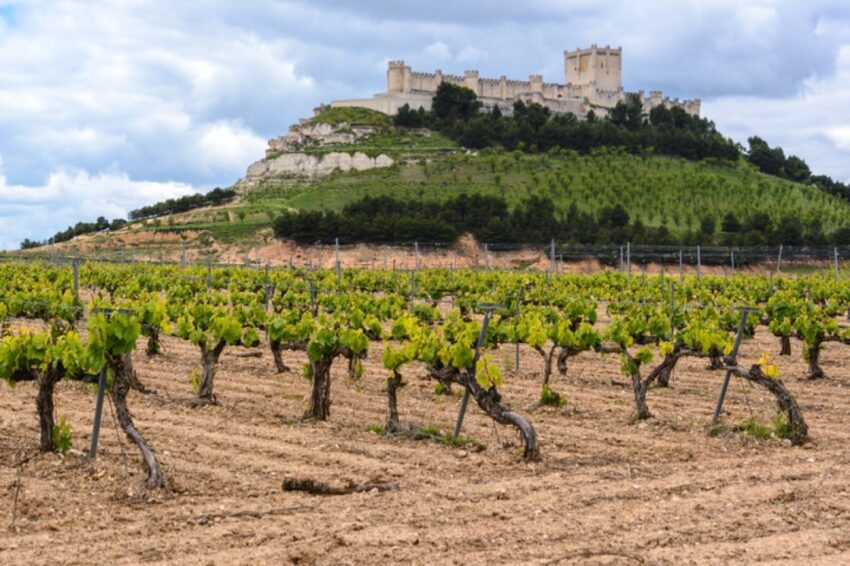
The Ribera del Duero Denomination of Origin (DO) stretches along the Duero River, encompassing high-altitude vineyards that benefit from extreme temperature variations — hot days and cool nights that help grapes ripen slowly and develop deep flavor.
The star grape here is Tempranillo, locally known as Tinto Fino or Tinta del País. Wines from Ribera del Duero are typically full-bodied, complex, and rich in character, often expressing notes of dark cherry, plum, vanilla, and spice.
Key Characteristics of Ribera Wines:
- Grape Variety: Primarily Tempranillo, sometimes blended with Cabernet Sauvignon, Merlot, or Malbec.
- Aging Classifications:
- Crianza: Aged at least two years, one in oak.
- Reserva: Three years, with at least one in oak.
- Gran Reserva: Five years, two in oak and three in the bottle.
- Flavor Profile: Intense, structured reds with vibrant acidity, smooth tannins, and elegant aging potential.
Ribera del Duero’s winemaking tradition dates back centuries but gained modern acclaim in the 1980s with the rise of prestigious wineries like Vega Sicilia, Pesquera, and Aalto. Today, Ribera wines are synonymous with luxury, authenticity, and resilience — qualities that reflect the rugged landscape from which they come.
Rueda: Spain’s Premier White Wine Region
Just west of Ribera del Duero lies Rueda, a region celebrated for its crisp, aromatic white wines. Its flagship grape, Verdejo, thrives in sandy, gravelly soils under the region’s dry continental climate. The result is a wine that’s refreshing yet complex, marked by lively acidity, citrus notes, and subtle herbal undertones.
While Rueda also produces Sauvignon Blanc and Viura, Verdejo remains its defining varietal, often compared to Sauvignon Blanc for its zesty freshness but with a uniquely Spanish twist — richer texture and slightly nutty finish.
Key Characteristics of Rueda Wines:
- Grape Variety: Verdejo (dominant), Sauvignon Blanc, Viura.
- Wine Styles:
- Rueda Verdejo: 85% Verdejo minimum; elegant, aromatic, and fresh.
- Rueda Sauvignon Blanc: Zesty and tropical.
- Rueda Espumoso: Sparkling versions made using the traditional method.
- Flavor Profile: Crisp, aromatic whites with notes of lime, green apple, fennel, and almond.
Rueda’s wines pair beautifully with seafood, tapas, salads, and Mediterranean cuisine, making them favorites among sommeliers and casual drinkers alike.
Why Ribera Rueda Wines Stand Out
1. Exceptional Terroir
Both regions benefit from high-altitude vineyards, with Ribera averaging 800–900 meters and Rueda slightly lower. The dramatic day-night temperature shifts preserve acidity and enhance flavor concentration.
2. Sustainable and Innovative Practices
Modern winemakers in both regions embrace sustainable viticulture — minimizing water use, promoting biodiversity, and adopting organic farming methods. Many estates also use renewable energy and invest in eco-friendly production.
3. Balance of Tradition and Technology
While Ribera del Duero retains its old-world techniques such as oak aging and manual harvesting, it also incorporates modern temperature-controlled fermentation to refine flavors. Rueda, on the other hand, leads innovation in white wine preservation through cold fermentation and stainless-steel tanks, ensuring purity and freshness.
4. Global Recognition
Ribera and Rueda wines consistently earn accolades from international critics and competitions. Their distinct flavor profiles make them highly marketable globally — from Michelin-star restaurants to boutique wine bars.
The Benefits of Exploring Ribera Rueda
For Wine Enthusiasts:
- Discover the contrast of red and white excellence within a short distance.
- Experience diverse wine tastings, from bold Tempranillo reds to crisp Verdejo whites.
- Learn from winemakers who combine ancient techniques with cutting-edge innovation.
For Travelers:
The Ribera and Rueda routes are part of Spain’s Enotourism Trail, attracting visitors with scenic vineyards, medieval towns, and culinary delights. You can tour wineries, enjoy local gastronomy, and immerse yourself in Spanish culture.
For Investors and Collectors:
Ribera wines, particularly aged labels, are increasingly sought after, with growing international demand and limited production. Meanwhile, Rueda’s rising reputation as Spain’s leading white wine region offers strong growth potential for exporters and investors.
How to Experience Ribera Rueda
- Take a Wine Tour: Visit iconic wineries like Protos, Emilio Moro (Ribera), and Marqués de Riscal or José Pariente (Rueda).
- Stay Local: Boutique hotels and rural villas offer vineyard views and authentic Spanish hospitality.
- Pair with Cuisine: Enjoy Ribera reds with roasted lamb (lechazo asado) and Rueda whites with grilled seafood or Manchego cheese.
- Attend Festivals: Explore harvest celebrations, local fairs, and wine tastings that bring the region’s culture to life.
Conclusion
The Ribera Rueda wine regions embody the essence of Spanish winemaking — a harmony of climate, culture, and craftsmanship. Ribera del Duero’s robust reds and Rueda’s refreshing whites complement each other perfectly, symbolizing balance and diversity.
For anyone passionate about wine, travel, or gastronomy, discovering Ribera and Rueda is more than a tasting experience — it’s a journey through history, tradition, and innovation. Whether you’re savoring a glass at a vineyard terrace or pairing it with your favorite meal, every sip tells the story of Spain’s timeless love affair with the vine.